
The Archive
“From East Coast regattas to anywhere you can imagine.”
For years, the sail had ridden the fierce winds of the Chesapeake Bay, its sturdy fabric stretched taut between wooden masts. It had danced with mighty gusts and dared the tempests, carrying voyagers across endless waves under blazing sun and starry skies. Saltwater had kissed its edges; storms had tested its strength, leaving marks that told stories of survival and adventure.
But time moved on. After countless journeys, the sail was retired, folded carefully and tucked away for 15 years. It rested silently, its weathered surface a quiet reminder of the bay’s wild embrace, waiting patiently for a new purpose.
“This sail that carried blind sailors is ready to carry you on your next big trip.”
On typical Thursday afternoon in late summer, the Charles River is a busy place with sailboats crisscrossing the water. On one of them, a sailor sits at the helm navigating around a set of buoys, while another adjusts the sails. A closer look reveals the sailors are blind, and are testing out a new technology developed at Olin College that will improve the lives of people who, like them, relish competitive sailing and are visually impaired.
Working under the direction of Olin faculty members Alex Morrow, John Geddes, and Paul Ruvolo, a group of Olin students known as Olin Adaptive Team Sailing has invented a system that helps blind sailors compete in match racing, a sailing competition in which two teams of visually impaired sailors race against one another without assistance from sighted sailors.
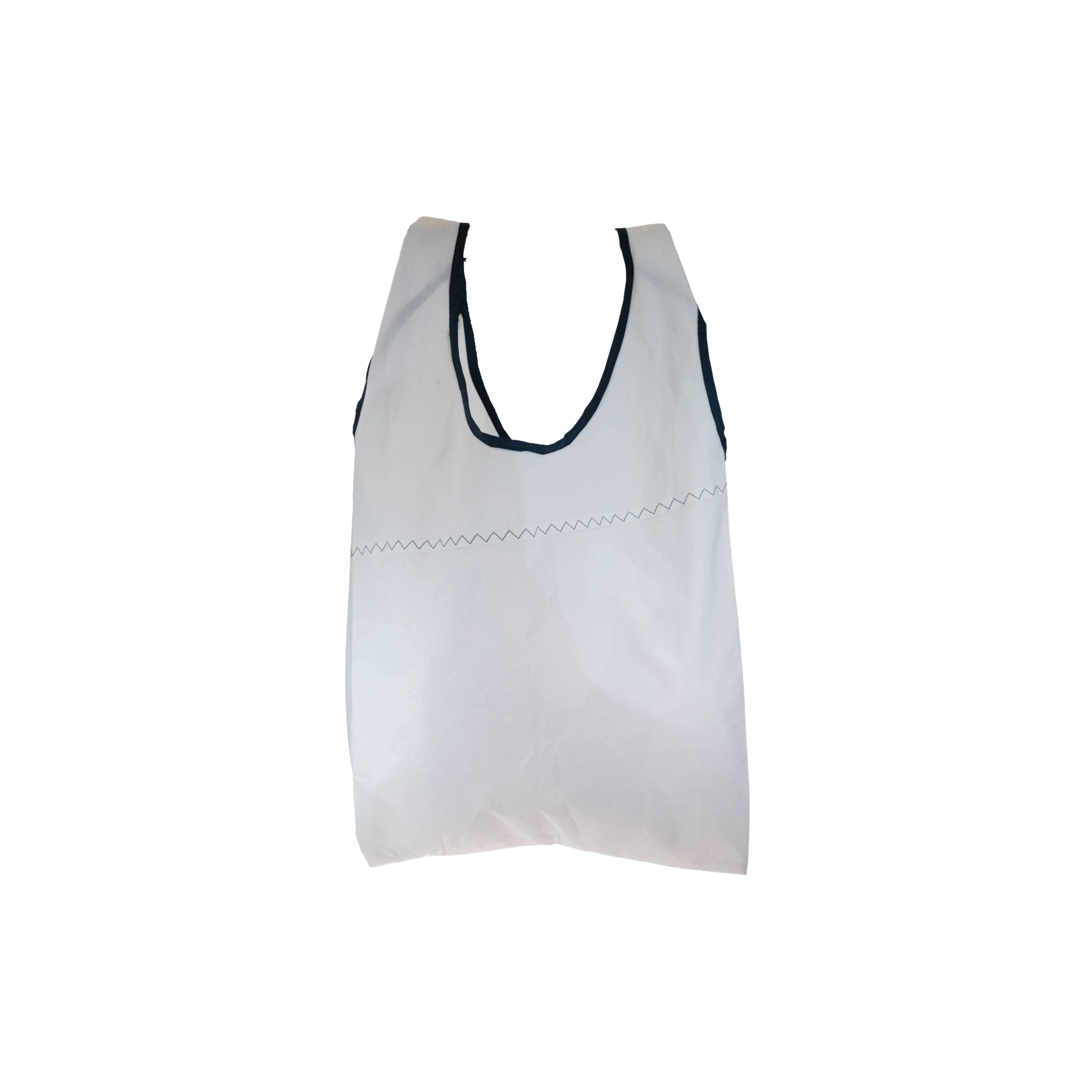
“Built for rough seas - ready for new trips.”
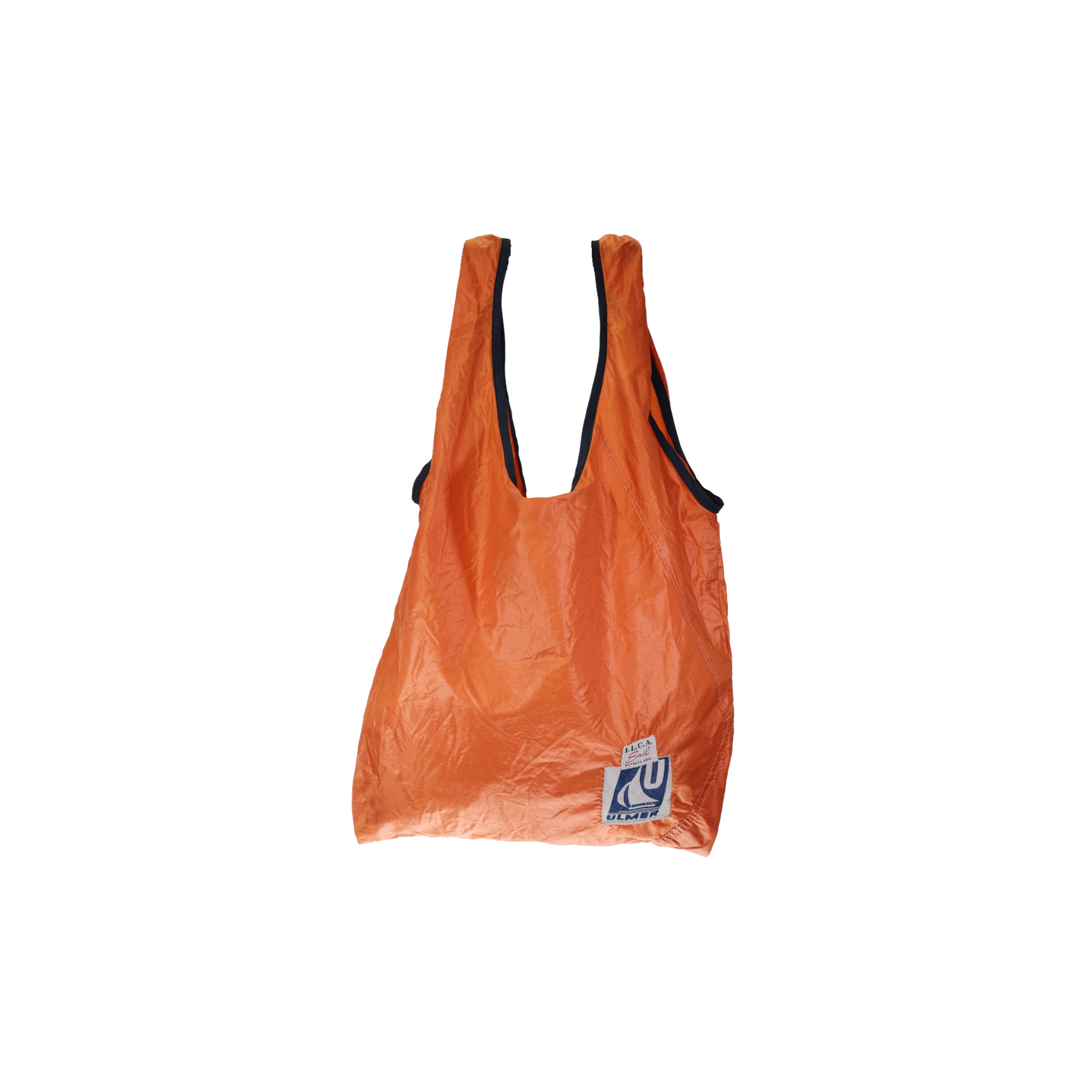
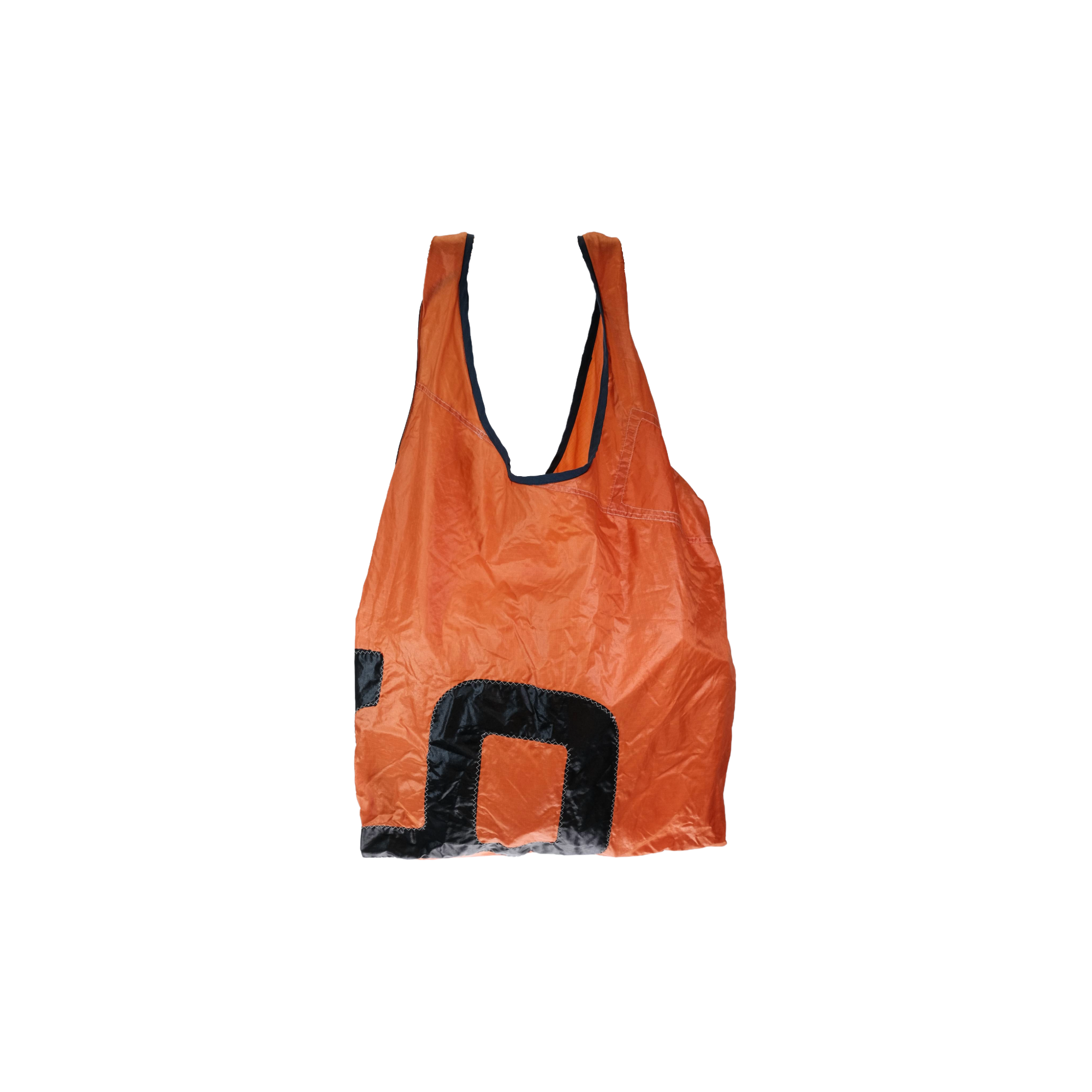
This collection was made from a large orange spinnaker sail that was too big for the boat that it came with that was made in 1971. The owners only used the sail twice before deciding that it was too big and ugly and retiring it. They called the sail “The Great Orange Pumpkin”.
An orange spinnaker sail is a large, lightweight sail used on sailboats for sailing downwind, with the color orange chosen primarily for its high visibility and safety factor, especially in low-light conditions or rough seas. Orange spinnakers are available in various designs, such as asymmetrical and symmetrical, and are made from durable, lightweight materials like ripstop nylon.
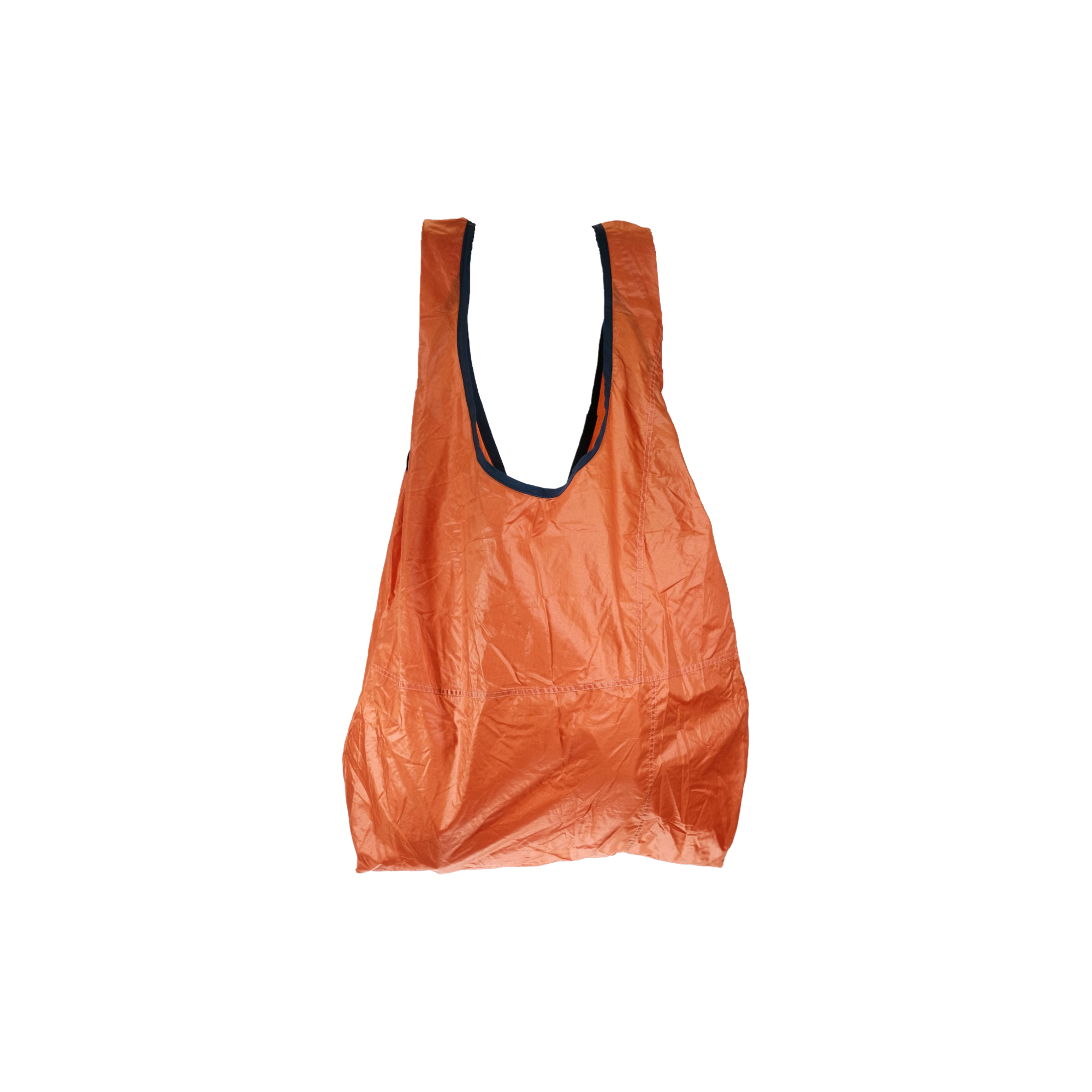
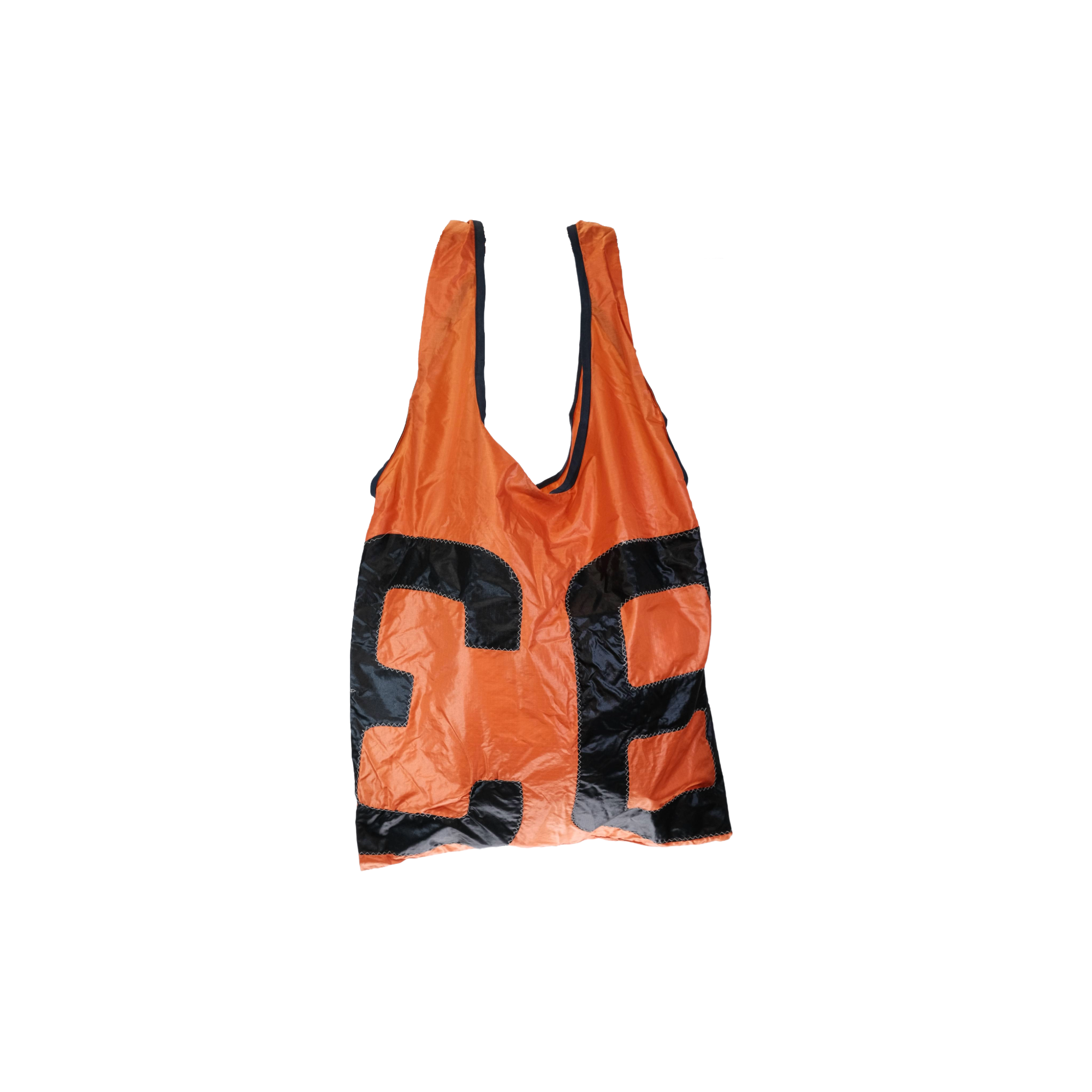
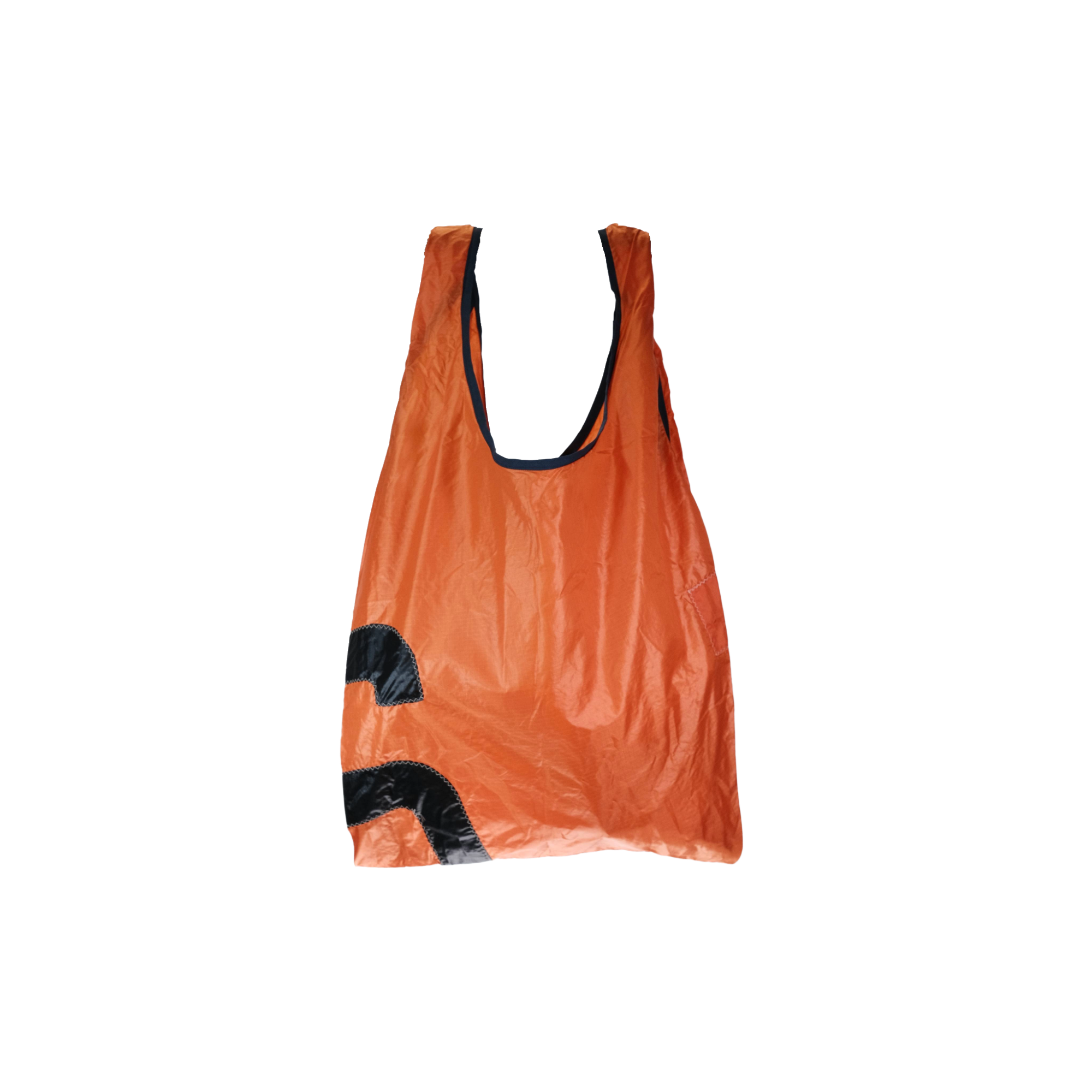
“From sails that propelled siblings to bags that take you on your next adventure.”
Sails pulled from old Laser sailboats from the early 90’s donated from a sailor who used the boats with her brother while growing up. One sail was sourced from an old Laser sailboat that was purchased to scavenge for parts (including the sail).
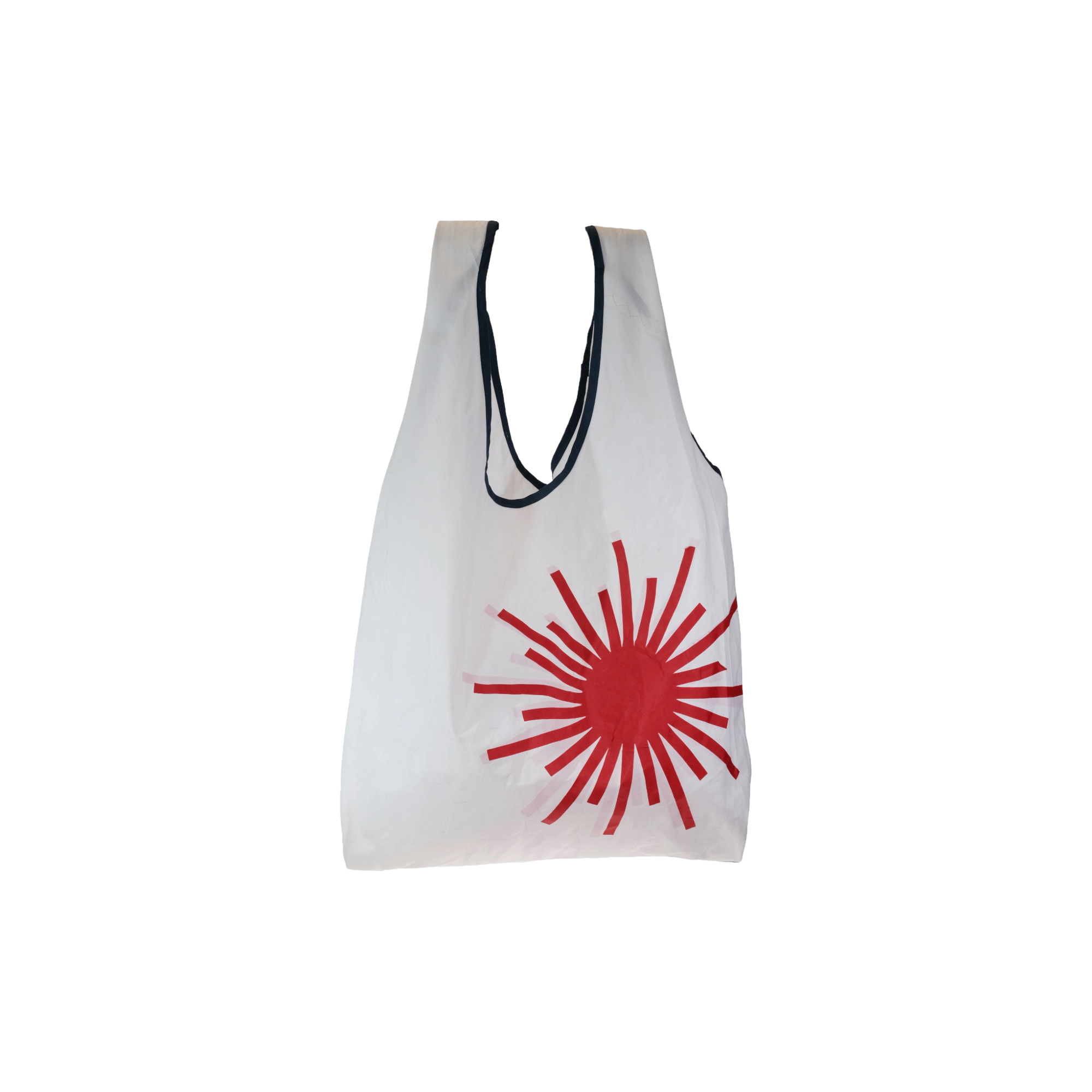
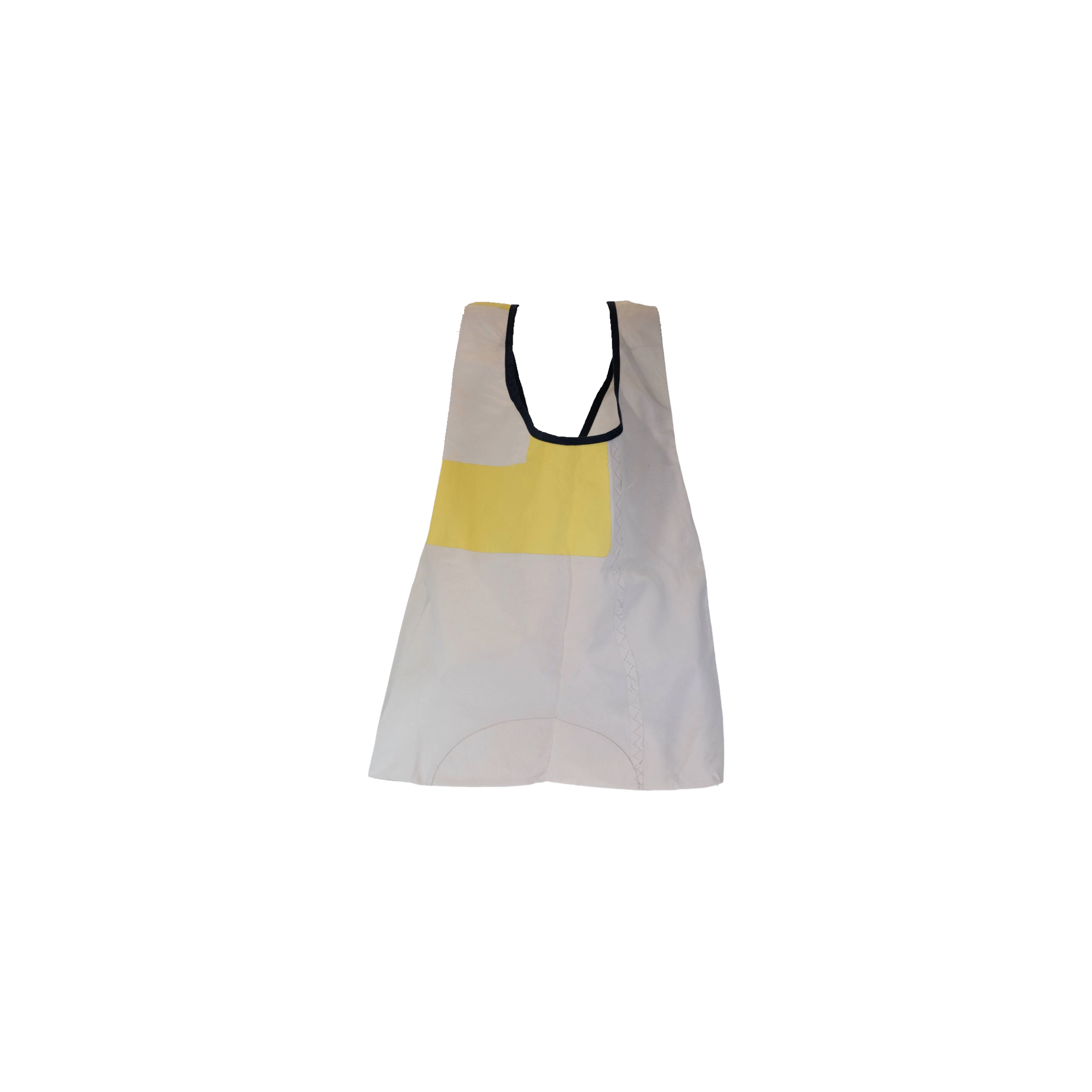
Size: Tugboat
Fabric: Flexible
Attributes: Reinforcement Stitching, Color Fields
——————————————————
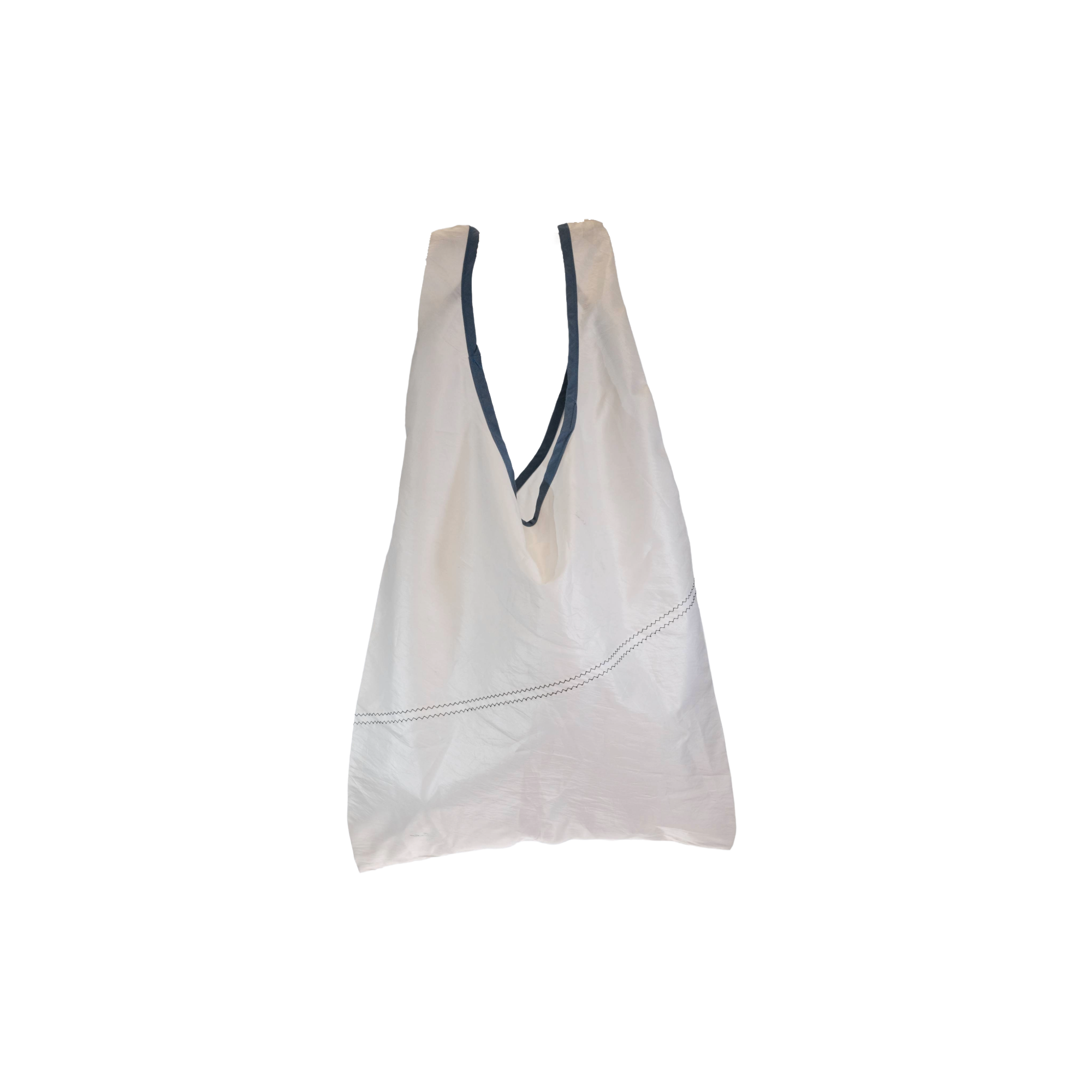
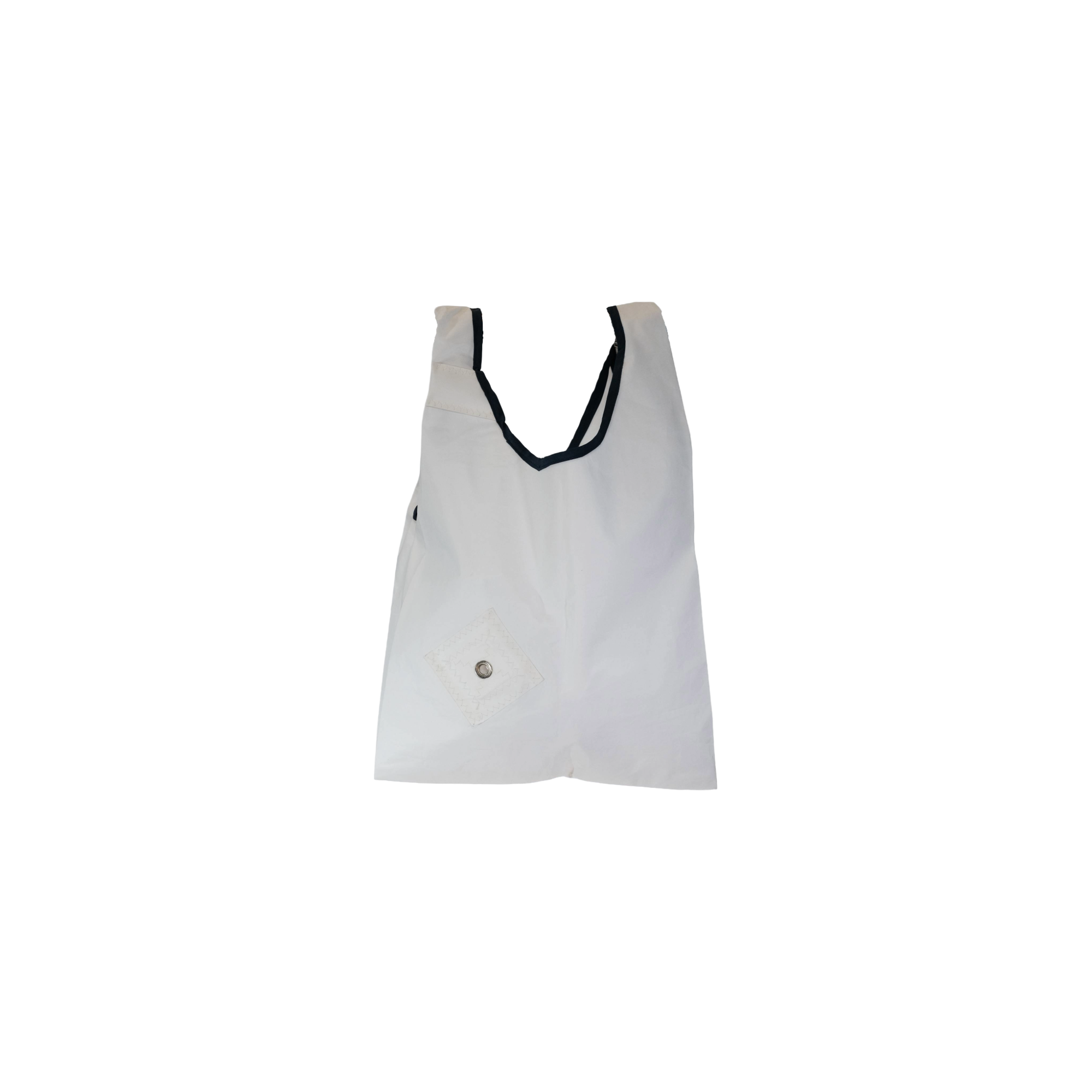
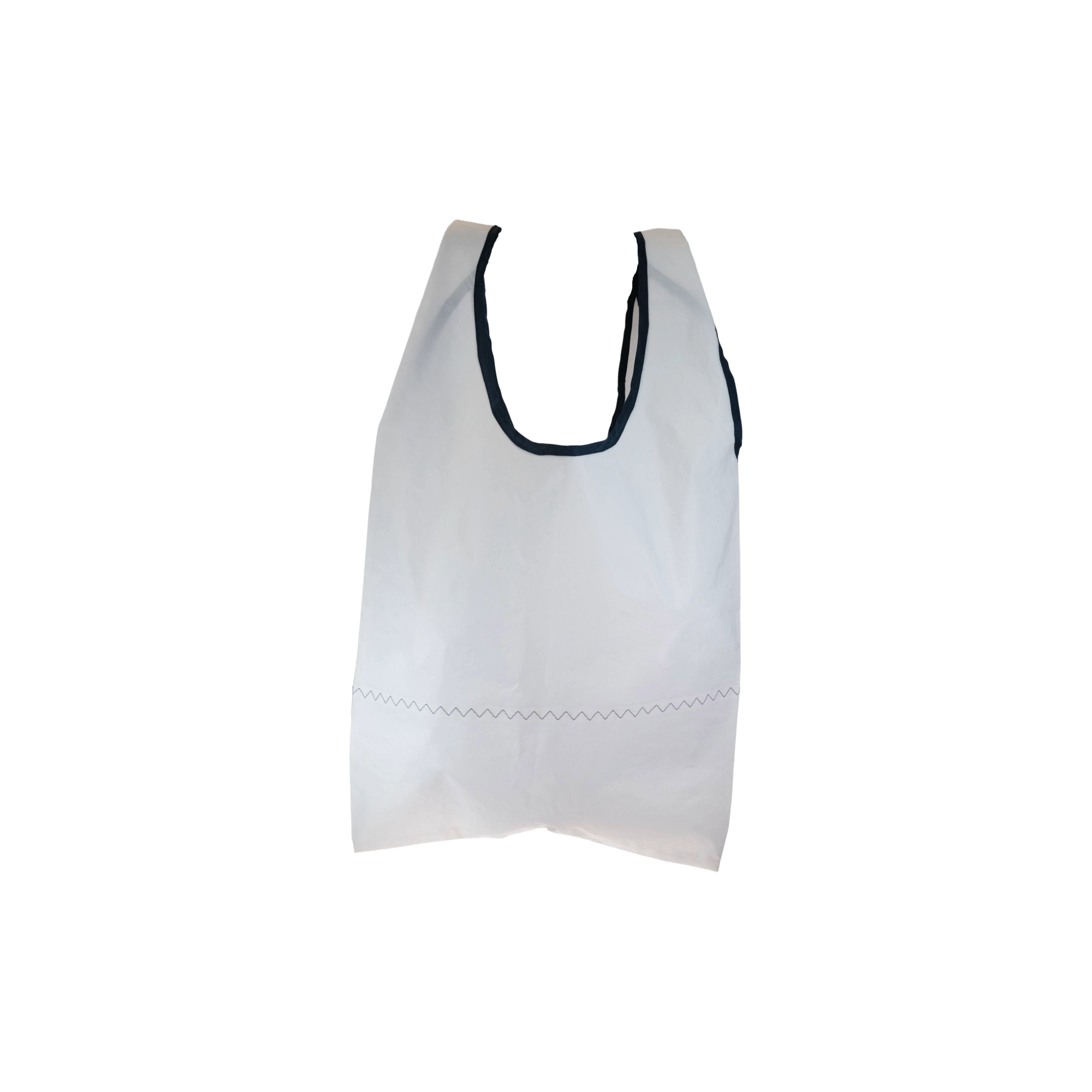
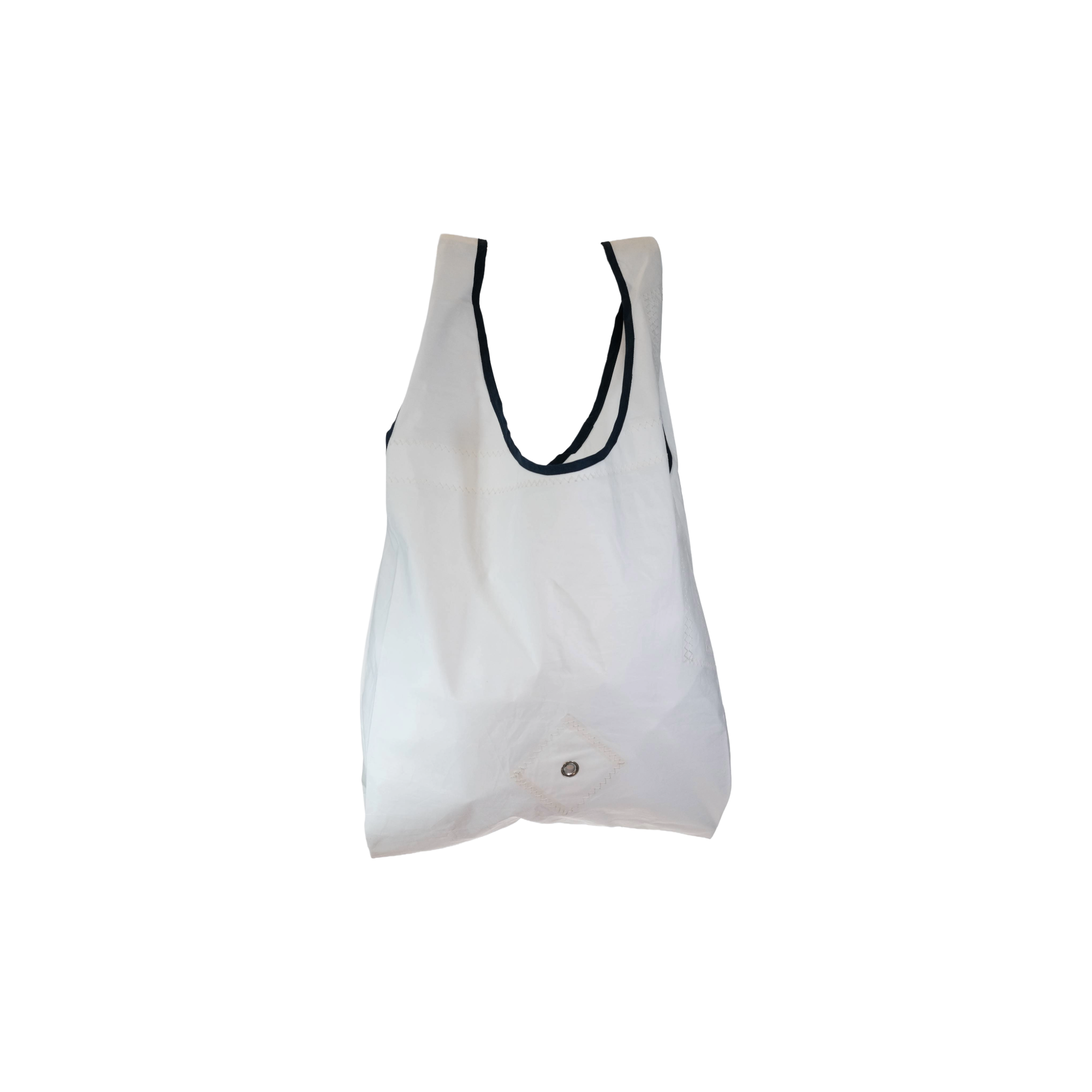
A tote bag made from recycled sail material. The sails used for the construction of all of our bags have been shaped by their time on the water, where every mark is a piece of a story lost to the fierce winds. A bag made not just for the grocery store, but all your adventures and untold stories.